 |
|||||
                |
Wheat Genome | ||||
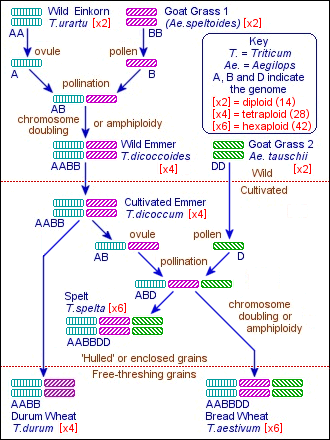
| These
diagrams shows the origin of the chromosomes that created the genomes of
modern wheats, Durum Wheat, a tetraploid with 28 chromosomes, and Spelt and Bread Wheat, hexaploids with 42 chromosomes. |
|||||
 |
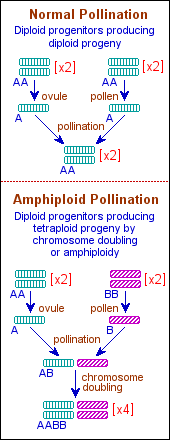 |
All cells of living animals and plants contain a number of chromosomes. These are the location of the genes that control the way the organism grows. When the organism reproduces itself, copies of these chromosomes are transferred to the progeny. Irrespective of the number of chromosomes that the organism possesses, together they form the chromosome genome. Wild Einkorn and some Goat Grasses are diploid plants, the cells having 14 chromosomes, or seven matching pairs. When any pollen and ovules are created, one chromosome from each pair transfers to the new cell, giving seven chromosomes in each of the pollen or ovule cells. If pollinated by the same species, the pollen and ovule will have matching chromosomes and the plant will remain a diploid plant with 14 chromosomes. If they are from two different species, the chromosomes will be unmatched and any progeny would normally be sterile. In the case of wheat hybrids, chromosome doubling or amphiploidy occurred. Each chromosome could then combine with the replicate to form matching paired chromosomes, similar to a normal pollination. Naturally occurring amphiploidy and mutations have created many tetraploid wheats with 28 chromosomes and hexaploid wheats with 42 chromosomes. |
|||
| Scientists
can now create Synthetic Hexaploid Wheats from tetraploid wheats and diploid goat grasses by using colchicine to induce chromosome doubling. These can be used to diversify the wheat genome by transferring selected genes, such as those responsible for grain yield or disease resistance into modern wheat varieties. |
|||||